
Why Strong Group Benefits Keep Your Workplace S.I.C.K. in the Best Way
Most business owners think of group benefits as a perk. Something nice to have once a company reaches a certain size.
But in practice, group benefits are often a leadership decision.
They quietly shape culture. They influence how supported employees feel. And they play a bigger role in long-term wellbeing than many employers realize.
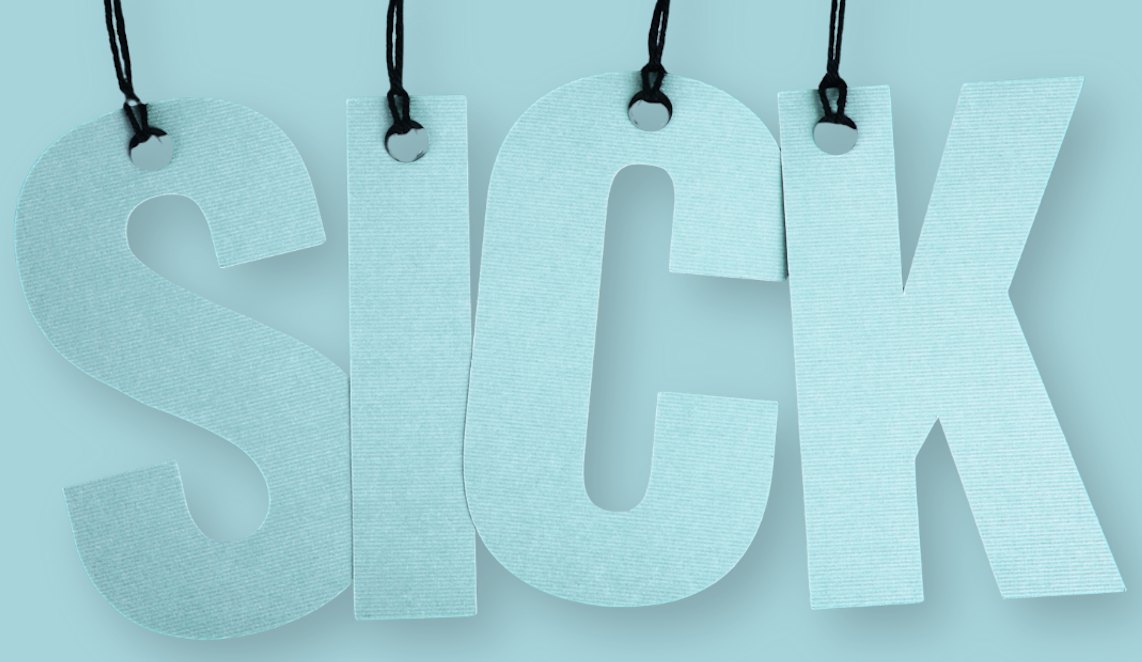
One helpful way to think about group benefits is through the lens of S.I.C.K.
Security, Investment, Care, and Knowledge.
Let’s break that down.
S is for Security for Your People
Security is not just about coverage. It is about peace of mind.
When employees know they have access to health and dental support, prescription coverage, and other benefits, it reduces uncertainty in their lives. That sense of stability often carries into their work. People show up differently when they are not worrying about unexpected costs or delays in care.
For employers, offering this kind of security builds trust. It signals that the business is thinking beyond the next quarter and is invested in its people as humans, not just employees.
I is for Investment in Long-Term Wellbeing
Group benefits are not just an expense. They are an investment.
A lesser-known truth is that employees with access to benefits are more likely to seek preventative care earlier. That means addressing issues before they become more serious, more expensive, or more disruptive to daily life.
Over time, this can lead to fewer extended absences, better overall wellbeing, and a healthier workplace environment. Investing in long-term wellbeing supports both the individual and the organization as a whole.
C is for Care That Reduces Stress and Burnout
Burnout rarely comes from one big moment. It usually builds slowly, through stress, unmet health needs, and lack of support.
Access to group benefits can ease that pressure. Coverage for health services, mental health support, and preventative care helps employees manage challenges before they escalate.
Care that is accessible and easy to use allows people to focus on their work without carrying unnecessary stress. For employers, this kind of support can improve morale, engagement, and retention.
K is for Knowledge So Employees Actually Understand Their Coverage
A benefits plan only works if people understand how to use it.
One of the most overlooked aspects of group benefits is education. When employees know what is available to them, how to access it, and when it makes sense to use it, the value of the plan increases significantly.
Clear communication and guidance turn benefits from a line item into a real support system. Knowledge empowers employees to make informed decisions about their wellbeing.
Why This Matters for Alberta Businesses
In Alberta especially, where many small and mid-sized businesses compete for strong talent, group benefits can be a meaningful differentiator.
Not flashy perks.
Not short-term incentives.
But real, practical support.
Group benefit plans can help:
Support employee health before issues escalate
Create a sense of stability and trust
Show long-term commitment to your team
A benefits plan quietly communicates something powerful:
“You matter here. We are building something sustainable together.”
For many business owners, that message aligns perfectly with the culture they want to create and the kind of workplace they want to lead.
If you are curious about how a group benefits plan could support your business and your people, we would love to talk.